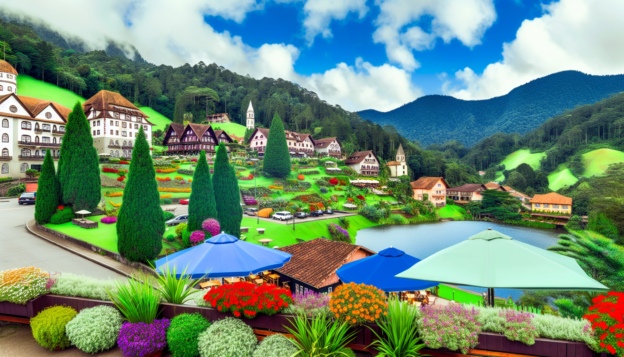
Indaiatuba, a vibrant city in São Paulo, Brazil, offers an appealing lifestyle that attracts many residents. This article delves into the benefits of living in Indaiatuba, exploring its history, amenities, and overall quality of life to help you determine whether it’s the right place for you.
A Historical Overview of Indaiatuba
Indaiatuba, located in the state of São Paulo, boasts a captivating history that provides a backdrop to its current charm and contemporary lifestyle. The city’s origins trace back to the late 18th century when it was established as a rural district of the nearby municipality of Itu. Initially, Indaiatuba was primarily involved in agriculture, with coffee plantations flourishing thanks to its fertile soil and favorable climate. The name “Indaiatuba” has indigenous roots, derived from the Tupi language, meaning “the place where the indigo dye is extracted,” reflecting its early economic activities focused on plant-based products.
Throughout the 19th century, Indaiatuba experienced notable growth stemming from various social and economic changes. The arrival of the railroad in 1880 was a pivotal moment for the city, enhancing trade connectivity and enabling farmers to transport their goods more efficiently. This infrastructure development encouraged a wave of immigration, including European settlers from countries such as Italy and Germany. These immigrants brought diverse cultural influences that would begin to shape the identity of Indaiatuba, integrating their traditions, cuisine, and craftsmanship into the community.
As time progressed, Indaiatuba transitioned from a rural district to an autonomous municipality in 1916. This milestone marked the beginning of modernization efforts that would continue throughout the 20th century. Historical landmarks from this period still stand as testaments to Indaiatuba’s rich heritage. For instance, the charming Church of Our Lady of the Conception, constructed in the late 1800s, remains an architectural highlight, attracting both residents and visitors eager to admire its beautiful façade and serene interior.
The industrial boom of the late 20th century brought further transformation to Indaiatuba. Factories began to populate the landscape, which contributed to a rapid increase in population as job opportunities attracted more residents. The boom solidified Indaiatuba’s reputation as a center of economic growth while enhancing its accessibility to the bustling city of São Paulo. This proximity to the metropolitan area not only eased commuting for workers but also facilitated the integration of modern amenities and services that residents now enjoy.
As immigration continued, the city embraced its multicultural tapestry, leading to an array of festivals and community events celebrating its diverse heritage. The annual Festa do Peão de Barretos, honoring the region’s cowboy culture, exemplifies how historical influences have evolved into contemporary celebrations that foster a strong community spirit.
Today, Indaiatuba stands as a vibrant, modern city that honors its historical roots while looking confidently toward the future. The rich history, characterized by agricultural beginnings, industrial prowess, and a spirited influx of immigrants, has shaped a unique identity that makes Indaiatuba an attractive place to live. A dynamic blend of tradition and innovation, the city not only cherishes its past but also continuously adapts to meet the needs of its residents, paving the way for a promising future.
Quality of Life in Indaiatuba
Indaiatuba consistently ranks among the best places to live in Brazil, a testament to its outstanding quality of life. This vibrant city combines modern conveniences with a rich cultural atmosphere and is rooted in a strong community spirit. Residents enjoy a compelling blend of educational, healthcare, recreational, and public services that enhance their everyday experiences.
On the educational front, Indaiatuba boasts a variety of public and private institutions, ensuring quality learning opportunities for children of all ages. The city has several elementary and secondary schools that are known for their dedication to academic excellence and holistic development. In recent years, Indaiatuba has also seen the expansion of higher education facilities, with local campuses offering diverse courses, from business management to engineering, making it easier for residents to pursue their academic aspirations without needing to relocate.
Healthcare is another area where Indaiatuba excels. The city features numerous hospitals and clinics, equipped with modern facilities and staffed by skilled professionals. Access to quality healthcare is vital for family well-being, and residents benefit from both public and private options. The city’s healthcare system focuses on preventive care, which is reflected in community health programs that educate individuals about maintaining a healthy lifestyle. This emphasis on health contributes significantly to the overall happiness and satisfaction levels of the local population.
Public services in Indaiatuba are designed to maintain a high standard of living, ensuring that residents have access to essential amenities. The city administration is committed to maintaining clean and safe streets, efficient waste management, and reliable public transportation, enhancing overall accessibility. These services create an environment where residents feel secure and supported, allowing them to focus on personal growth and community engagement.
Leisure activities in Indaiatuba play a crucial role in fostering a sense of community and enhancing the quality of life. The city offers a wide array of recreational spaces, including parks, sports complexes, and cultural centers. Notably, the Parque Ecológico, a vast ecological park, provides residents with trails for walking, jogging, and cycling, surrounded by lush natural beauty. Additionally, community events such as local festivals, music concerts, and artisan markets create opportunities for residents to come together, celebrate their culture, and make meaningful connections with one another.
Family-friendly infrastructure is a cornerstone of Indaiatuba’s appeal. The city has several playgrounds, family recreational centers, and community clubs that cater to children’s entertainment and development. These amenities not only provide safe spaces for kids to play but also encourage family bonding and social interaction among parents and caregivers.
In summary, the quality of life in Indaiatuba is exceptionally high, thanks to its robust educational system, comprehensive healthcare services, efficient public infrastructure, and a rich array of recreational options. It is a place where families can thrive, communities can flourish, and individuals can pursue their passions. As Indaiatuba continues to grow and evolve, its commitment to enhancing the quality of life for its residents remains at the forefront, solidifying its status as one of the most desirable places to live in Brazil.
Economic Opportunities and Growth
Indaiatuba stands out not only for its quality of life but also for its vibrant economic landscape that continues to evolve rapidly. As a city located in the state of São Paulo, it benefits from a strategic geographical position, enhancing its role as a hub for business and industry. The job market here is diverse, with opportunities spanning various sectors including manufacturing, retail, and services. This economic vitality has drawn both residents and businesses alike, making it an attractive destination for those seeking stability and growth.
One of the key advantages of living in Indaiatuba is its proximity to major transport routes, such as the Bandeirantes and Anhanguera highways. These thoroughfares facilitate easy access to the metropolitan area of São Paulo and beyond, allowing for seamless connectivity for commuters and businesses. The city is also home to the Viracopos International Airport, which plays a crucial role in logistics and international trade, further bolstering the local economy. This connectivity not only provides employment opportunities within Indaiatuba but also ensures that businesses thrive by reaching broader markets efficiently.
The presence of several industries in Indaiatuba significantly contributes to its economic growth. The city hosts numerous companies, ranging from mini and micro-enterprises to large industrial complexes. This includes a concentrated effort in sectors such as automotive, textiles, and technology. Many corporations have established operations here, drawn by the skilled labor force and relatively lower operational costs compared to larger urban centers. This clustering of industries creates a fertile ground for innovation and entrepreneurship, encouraging new startups to emerge, thereby diversifying the local economy.
Investment opportunities in Indaiatuba are plentiful, with municipal incentives aimed at attracting both domestic and foreign businesses. The local government actively promotes the establishment of industrial parks and offers various infrastructure improvements, including enhanced utilities and transportation options. These initiatives not only attract new businesses, but they also assist existing ones in expanding their operations, ultimately benefiting the local job market and contributing to economic stability.
As Indaiatuba grows, so does its appeal to residents. The influx of new businesses generates a dynamic job market, which is crucial for those considering a move to the area. Many individuals find meaningful employment here without the stress and congestion typically experienced in larger cities, ultimately leading to a better work-life balance. Additionally, as the economy continues to expand, the city is seeing an increase in the development of residential areas, shopping centers, and recreational facilities, catering to the needs of its growing population.
In summary, Indaiatuba offers a rich tapestry of economic opportunities supported by its strategic transport links, diverse industries, and investment-friendly environment. This vibrant economic landscape contributes significantly to the overall quality of life in the city, establishing it as a compelling choice for those contemplating a move to this bustling Brazilian locale. The prospects of employment and personal growth further underscore the city’s promise for current and future residents, making it a notable contender in discussions about the viability of living in Indaiatuba.
Is It Worth Living in Indaiatuba?
Indaiatuba boasts a unique blend of advantages that make it an appealing option for those considering relocation. As with any place, it is essential to weigh the pros and cons to determine whether living in this charming city aligns with your personal and lifestyle preferences.
One of the most significant pros of residing in Indaiatuba is its exceptional quality of life. The city offers a balance of urban conveniences and suburban tranquility, making it a perfect setting for families, young professionals, and retirees alike. The availability of parks, recreational facilities, and green spaces enhances the experience of day-to-day life, allowing residents to enjoy outdoor activities and community events frequently. Additionally, Indaiatuba has established an environmentally conscious reputation, promoting sustainability and community involvement, which creates a positive atmosphere for all its inhabitants.
Another vital consideration is the strong sense of community. Neighbors often know one another and participate in local events, fostering relationships that can be hard to come by in larger urban areas. The cultural events and traditional festivities celebrated in Indaiatuba offer opportunities for socialization and connection, making it easy for newcomers to feel welcomed and integrated into the fabric of the city. The neighborhood-centric lifestyle encourages a slower pace of life that many find refreshing compared to larger cities.
When it comes to economic potential, Indaiatuba stands out due to its strategic location near São Paulo, providing access to a vast job market while maintaining from the hustle and bustle typical of larger metropolitan areas. With various companies setting up their businesses in the region, many residents enjoy the benefits of a diversified job market. The cost of living can also be more reasonable than in nearby cities, allowing individuals and families to get more value for their money in terms of housing, education, and personal expenditures.
However, it’s essential to acknowledge the cons of living in Indaiatuba as well. While the city has made strides in public transportation, residents may find dependence on private vehicles to be higher than in larger urban centers. This can result in increased commuting times, particularly for those working in São Paulo who must navigate traffic on a daily basis. Furthermore, some may perceive a lack of cultural activities compared to larger cities, with fewer options in terms of theaters, museums, or nightlife.
Ultimately, the decision to move to Indaiatuba hinges on personal priorities. For those seeking a peaceful lifestyle with strong community ties, plentiful green spaces, and more affordable living, the city offers an ideal destination. On the other hand, individuals who thrive on a fast-paced city life with diverse entertainment options may find Indaiatuba lacking in certain aspects.
For those contemplating the move, it’s advisable to spend some time in the city, exploring neighborhoods and connecting with local residents to gauge if it matches your lifestyle and aspirations. Emphasizing family-friendly living with economic potential, Indaiatuba can indeed be a worthwhile choice for many, creating a fulfilling life amidst its picturesque landscapes and community spirit.
Conclusions
In conclusion, Indaiatuba offers a unique blend of history, quality of life, and economic opportunities that make it an attractive place to live. With its growing community and ample amenities, it stands out as a prime location for families and individuals. Weighing the benefits, many would find that life in Indaiatuba is certainly worthwhile.